How I Use Natural Light for Better Portraits
When I started getting serious about photography, I realized pretty quickly that lighting matters more than the camera. And honestly, natural light is still my go-to. It’s free, it’s everywhere, and if you know how to use it, it can make your portraits look way more professional without a ton of gear.
Here’s how I approach it.
I Pay Attention to the Type of Light First
Before I even think about settings or composition, I look at the light.
If it’s a cloudy day or I’m in the shade, that’s perfect. The light is soft, even, and super flattering—especially for skin tones. That’s usually when I know I can shoot pretty freely without fighting harsh shadows.
If it’s bright, direct sunlight (like midday), I don’t panic—I just adjust. I’ll look for shade or use the light more creatively instead of trying to force something that won’t look good.
Golden Hour Is Still My Favorite
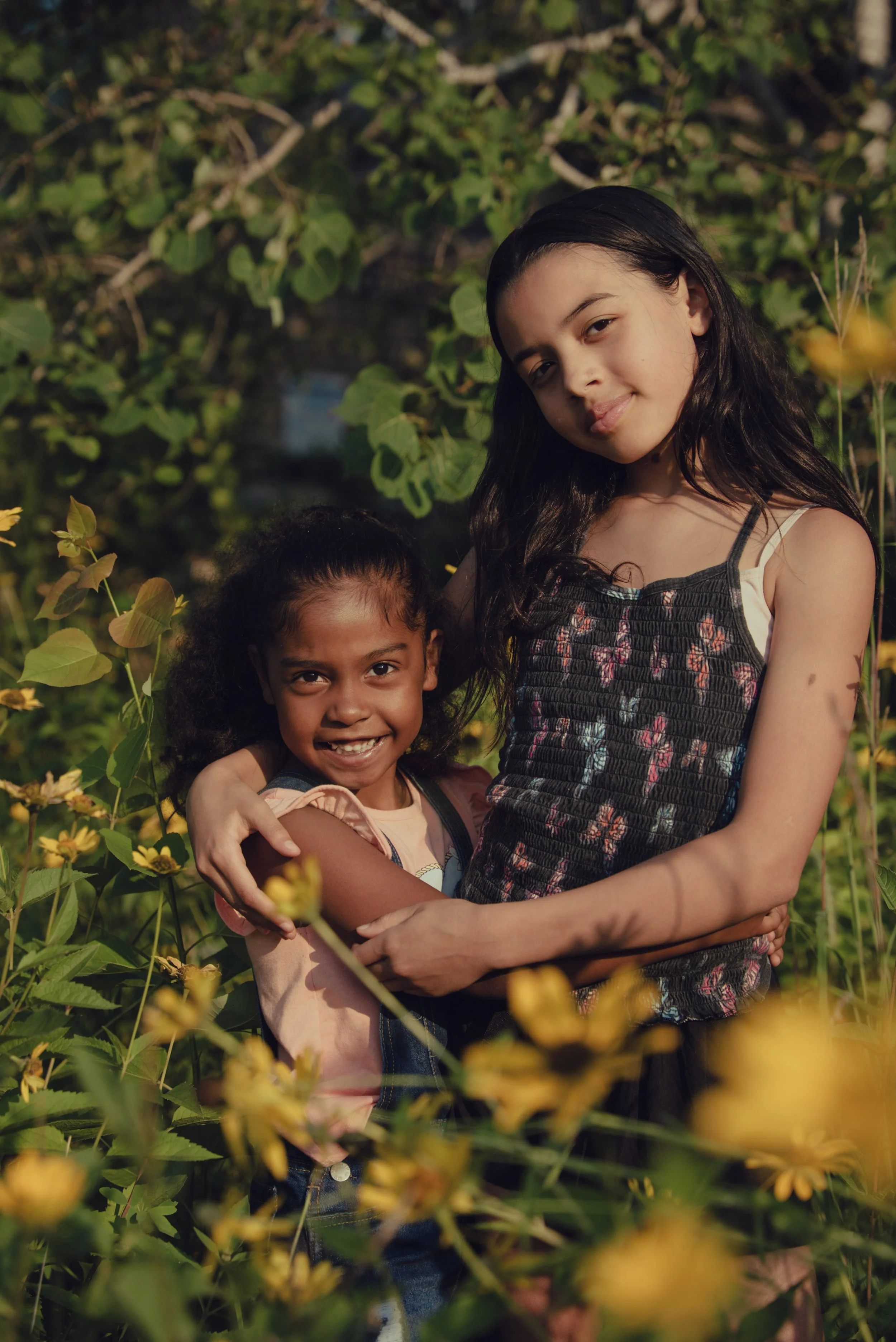
I shoot a lot during golden hour—right after sunrise or before sunset. The light is warmer, softer, and comes in at an angle that adds depth to the face.
Most of the time, I’m positioning my subject so the sun is hitting them from the side or slightly behind. That gives me that glow around the edges and keeps the light from looking flat.
I Use Shade a Lot
If I’m shooting during the day, I almost always look for open shade. That could be next to a building, under a tree, or even just the shadow side of a street.
The key thing I’ve learned is to have my subject face toward the light, not deeper into the shade. That way their face is still lit evenly, and I don’t lose detail.
I Like Backlighting for That Clean Look
A lot of my favorite shots are backlit. I’ll put the sun behind my subject and expose for their face.
It gives the image a softer, more cinematic feel and helps separate them from the background. If I need to, I’ll use something simple like a wall or even the ground to bounce light back onto them.
I’m Always Thinking About Light Direction
One thing that made a big difference for me was understanding how light direction changes everything.
Straight-on light is clean but can feel flat
Side lighting adds depth and texture
Backlighting adds glow and separation
Most of the time, I lean toward side lighting because it just gives the image more dimension.
I Keep It Simple with Tools
I don’t rely on a ton of gear. If I need to control light, I’ll use whatever’s around me.
Sometimes that’s a reflector, sometimes it’s just a white wall or concrete bouncing light back up. You don’t need anything fancy—you just need to see what’s already there.
I Move the Subject, Not Just Myself
This is probably the biggest thing. If the light isn’t working, I don’t just change my angle—I move my subject.
Even a small shift can completely change how the light hits their face. Once I started doing that, my shots improved a lot.
Final Thoughts
For me, natural light is all about awareness. Once you start paying attention to it—where it’s coming from, how strong it is, how it hits the face—you start to see opportunities everywhere.
You don’t need perfect conditions. You just need to understand what you’re working with and adjust.
That’s really when things start to click.